










Top 20 Best Science Courses in Nigeria
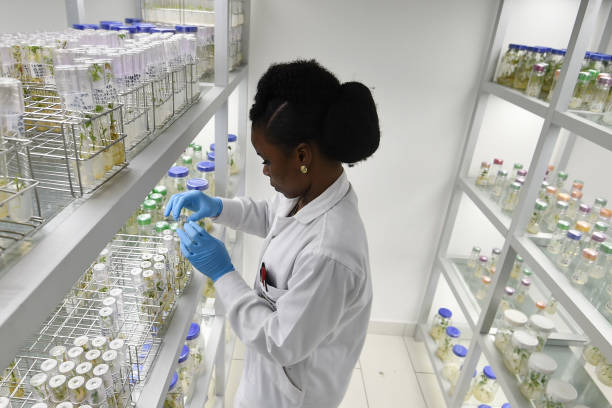


Choosing any of these top 20 best science courses in Nigeria study in Nigeria is more than just passing JAMB and getting admitted—it’s about preparing yourself for a career that will pay your bills and earn you respect in this country.
I’ve seen too many of my classmates struggle with courses they chose because their parents pressured them or because they thought it sounded cool. Let me be straightforward with you.
The Nigerian employment market is severe right now, and if you’re going to spend four or five years studying, you should choose something that will lead to opportunities.
I’m writing this as someone who has been in the trenches of Nigerian tertiary education, witnessed friends graduate and either succeed or fail, and knows what works.
Why are These Best Science Courses Still Matter in Nigeria
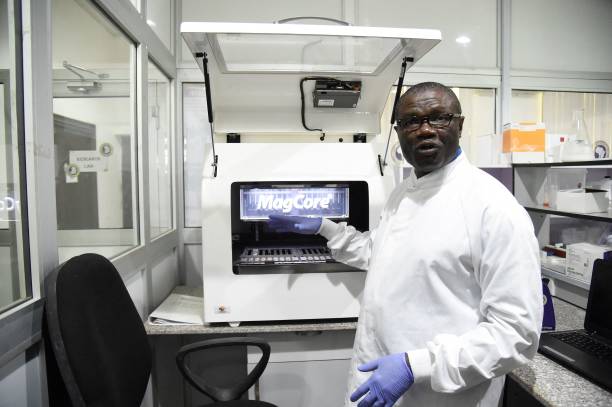
Before we begin the list of the top 20 best science courses in Nigeria, let us address the elephant in the room. Indeed, Nigerian grads are struggling. Indeed, unemployment is high. However, I’ve noticed that scientific graduates who understand their subject and are savvy in their employment choices are still finding their way.
The issue is not necessarily the course itself; rather, students frequently choose courses without fully comprehending what they are getting into. Another benefit of science courses is that they teach you skills. Skills that are real and tangible.
While your artistic buddies rely completely on connections (no shade, just facts), you can do something with your hands and head. That matters when you’re attempting to stand out.
The Top 20 Best Science Courses in Nigeria Right Now
1. Medicine and Surgery
Medicine and surgery are among the greatest science courses available the top 20 best science courses in Nigeria universities. This is largely due to its lucrative nature and widespread global acceptance. To choose this as your preferred route of study, you must demonstrate a high level of commitment, especially since admission to medical colleges is more challenging than any other course.
But here’s the truth: Nigerian doctors are always in demand. Whether you live in Nigeria or go to the United Kingdom, Canada, or the United States, your certificate is valuable. Starting salaries for doctors in teaching hospitals range from ₦300,000 to ₦400,000 per month.
After residency, you can expect to earn significantly more. The JAMB cutoff for medicine varies between 270 and 290, depending on the school. Your O-level grades must be perfect—no C’s in Physics, Chemistry, or Biology. Most schools need credit passes in English, Mathematics, Physics, Chemistry, and Biology in one sitting.
This course offers several choices for specialisation, including:
- Gynecologic Oncology
- Neurological Surgery
- Anesthesiology
- Cardiology
- Dermatology
- Emergency Medicine
- Family Medicine
- Forensic Pathology
- General Surgery
- Thoracic Surgery
- Colon and Rectal Surgery
- Obstetrics and Gynecology
Some notable universities to study this noble course are:
- The University of Ibadan
- University of Lagos
- University og Nigeria
- Ahmadu Bello University.
2. Pharmacy
Pharmaceutical science is a fantastic option for students interested in studying a science course. Because it involves producing and delivering pharmaceuticals, it has become a key component of Nigeria’s healthcare system.
Pharmaceutical science, like medicine, provides attractive career options for its graduates. You can work in hospitals, pharmacies, or government medical facilities. The University of Lagos (UNILAG), University of Nigeria (UNN), University of Benin (UNIBEN), University of Ibadan (UI), and Obafemi Awolowo University (OAU) are all excellent alternatives for people wishing to be chemists, including you.
Pharmacy is medicine’s younger sibling, and it has a better work-life balance. The training lasts five years (four years + a one-year internship), and chemists are currently well-paid in Nigeria.
What most individuals don’t realise is that pharmacy provides a variety of job opportunities. You can work in hospitals, create your own patent medicine store, work for pharmaceutical corporations (major names like GSK, Pfizer, and Fidson pay well), or even engage in drug control with NAFDAC.
An intern chemist typically makes between 150,000 and 200,000. Internships often pay between ₦300,000 and ₦500,000, depending on location. If you operate your own pharmacy in a desirable location, the sky is the limit.
JAMB requires Chemistry, Biology, Physics, or Mathematics. Most colleges require at least 260 points or more.
3. Computer Science/ Information Technology
Computer Science and Information Technology is one of the top 20 best science courses in Nigeria, we have listed. With the advancement of technology, this is one of the most fulfilling occupations you can choose.
As a graduate, you have core abilities in programming, software development, data analysis, and cybersecurity, all of which are highly sought after across industries. Professionals in computer science and information technology earn good wages and have numerous work prospects both locally and abroad.
This scientific subject is offered at several universities, including Lagos State University (LASU), Bayero University Kano, the University of Uyo, and Ladoke Akintola University of Technology.
This is where the real money is if you play your cards correctly. Computer science is the course that can make you a millionaire before your peers in other courses complete their master’s degrees.
The wonderful thing about computer science is that your school’s name is less important than your skills. I know UI and UNILAG grads who are struggling to find work, but someone from a state university earns $3,000 per month working remotely for a foreign corporation.
But let me be clear: studying computer science at a Nigerian university does not guarantee that you will become an excellent programmer. The curriculum is frequently obsolete.
You’ll learn theories unrelated to software development. The true learning occurs when you begin constructing projects, doing internships, and learning from online resources.
JAMB requires mathematics, physics, chemistry, or biology. The threshold varies, but federal universities often require at least 220-250.
4. Petroleum Engineering
Despite reports that the oil and gas sector is faltering, petroleum engineers remain among Nigeria’s highest-paid graduates. Shell, Chevron, TotalEnergies, and ExxonMobil continue to operate in Nigeria and are looking for engineers.
The course lasts five years and is not easy. You should be proficient in mathematics and physics. Very good. The curriculum covers everything from drilling operations to reservoir management, and you will be working with complicated calculations throughout.
New petroleum engineering graduates in oil corporations might earn between ₦500,000 and ₦800,000 monthly. After a few years of experience, you’re dealing with millions. The drawback is that entering the oil industry is competitive. Your grades are important, as is your school, and making connections is beneficial.
Mathematics, physics, and chemistry are the JAMB prerequisites. Schools such as Covenant, the University of Port Harcourt, and the University of Ibadan require a minimum of 250 points.
5. Nursing Science
Nursing is one of the top 20 best science courses in Nigeria. This is due to its critical position in the healthcare system and the growing demand for competent people. Nurses provide essential care, support, and advocacy for patients.
One significant advantage of studying nursing in Nigeria is the numerous employment prospects it provides students. Interestingly, a nursing graduate can work in a variety of fields following graduation. Nurses are the foundation of Nigeria’s healthcare system, and the need for competent nurses is only increasing.
Nursing school lasts five years, and let me tell you, it is not for the weak. During clinical posts, you will spend hours on your feet, dealing with challenging patients and learning while weary.
But nursing provides something invaluable: career security. Every hospital requires nurses. Furthermore, nursing is one of the most straightforward ways to japa.
Countries such as the United Kingdom, Canada, and Ireland are badly seeking Nigerian nurses. Some of my pals who graduated three years ago now work in the United Kingdom and earn pounds. Starting salaries for nurses in Nigeria’s government hospitals range from ₦150,000 to ₦250,000.
Private hospitals differ greatly. However, the main draw is the international potential. JAMB requires biology, chemistry, and physics. Most nursing schools require a minimum of 250 points.
6. Biochemistry
Biochemistry is an underappreciated course until graduates work at pharmaceutical businesses, research centers, hospitals, and even oil companies. The course is at the confluence of biology and chemistry, and it opens more doors than you might expect.
What I admire about biochemistry is its adaptability. You can work in medical laboratory science (with extra qualification), quality control in food or pharmaceutical firms, research, or even apply for postgraduate medicine at specific universities.
The job market is decent. Biochemists at pharmaceutical businesses earn between ₦200,000 and ₦400,000, based on experience. Research positions pay less initially, but they can lead to international prospects.
Chemistry, biology, physics, and mathematics are the disciplines covered by JAMB. Federal universities often have a cutoff of around 220-240.
7. Electrical and Electronics Engineering
If you’ve always been fascinated about how things work—how your phone charges, how power comes to your house, and how circuits work—this course is for you. It’s five years of rigorous mathematics, physics, and practical experience that will either make you love engineering or make you regret your decisions.
Nigeria has a solid job market for electrical engineers. Electricity firms (IBEDC, EKEDC, etc.), telecommunications companies (MTN, Airtel, GLO), and manufacturing companies all require electrical experts. Fresh graduates can earn between ₦250,000 and ₦450,000 per month, depending on the company.
The course is difficult, however many students struggle with courses such as circuit analysis, electromagnetic theory, and control systems. You must be really interested in it and not simply doing it for the money. JAMB requirements include mathematics, physics, and chemistry. Cutoffs range from 220 to 260.
8. Microbiology
Microbiology is one of those courses that goes beneath the radar but provides excellent prospects. You’re researching microorganisms (bacteria, viruses, and fungi) and how they influence everything from human health to food production.
Microbiologists work in hospitals (medical microbiology), pharmaceutical firms, food and beverage companies (quality control), research institutions, and even oil companies (bioremediation). Some people pursue careers in public health or epidemiology.
Salaries are moderate. Starting salaries range from ₦150,000 to ₦300,000, depending on the sector. You can make significantly more if you pursue research or obtain foreign qualifications. JAMB subjects include biology, chemistry, physics, or mathematics. The cutoff is about 200-230.
9. Architecture
Architecture is theoretically a combination of applied science and art, yet it is taught in the science faculty at the majority of Nigerian institutions. The course is six years long (five years of study plus one year of mandatory practical training), and it requires both creativity and technical competence.
Nigerian architects are well compensated, especially if they are good at their jobs. The real money in architecture comes from starting your own firm or working for major architectural firms in Lagos, Abuja, and Port Harcourt. Starting salary range from ₦200,000-₦400,000.
What’s the downside? Architecture school is costly (materials, software, printing) and time-consuming. You will have studio sessions in which you will work all night creating presentations.
JAMB requirements include Mathematics, Physics, Chemistry, Fine Arts, and Technical Drawing. Cutoff is around 230-250.
10. Medical Laboratory Science
This course is for people who enjoy medicine but do not want the stress of being a doctor. Medical laboratory scientists are the healthcare detectives—they run the tests that doctors use to diagnose ailments.
The school lasts five years (four years plus an internship), and the job market is stable. Every hospital needs laboratory scientists. You can also work for research organisations, pharmaceutical businesses, or open your own diagnostic clinic.
Fresh graduates might expect salaries ranging from ₦150,000 to ₦250,000. After a few years and obtaining your complete licence, you can make 400,000 to 600,000 or more in reputable hospitals. JAMB subjects include chemistry, biology, and physics. The cutoff is usually between 230 and 260.
11. Civil Engineering
Civil engineers design roads, bridges, buildings, and dams. This five-year school is one of Nigeria’s oldest and most regarded engineering professions. The employment market is interesting. Civil engineers are required for government projects, construction businesses (such as Julius Berger and RCC), and consulting organisations.
Starting salary range from ₦200,000-₦400,000. When you start your own business or become a consulting engineer, you make the majority of your money through contracts. Fair warning: civil engineering requires a lot of site work, especially early in your career.
You’ll be spending time in the sun supervising building sites. JAMB requirements include mathematics, physics, and chemistry. Cutoffs range from 220 to 250.
12. Physiotherapy
Physiotherapy has grown significantly in Nigeria over the last decade. Athletes, accident sufferers, stroke patients, and persons with chronic pain all require the services of physical therapists. The course lasts six years (five years of study plus an internship) and is both demanding and rewarding.
The money is good, especially if you work at a private hospital or open your own physiotherapy practice. Fresh graduates often earn between ₦200,000 and ₦300,000. Experienced physiotherapists at reputable private hospitals might make up to ₦500,000.
If you open your own clinic in a prime location, you can make a lot of money. Furthermore, physiotherapy is another course that makes japa easier. Many countries have a scarcity of physiotherapists. JAMB subjects include biology, chemistry, and physics. The cutoff is about 250-270.
13. Mechanical Engineering
Mechanical engineering is the granddaddy of engineering fields. You’ll study machinery, thermodynamics, manufacturing, and pretty much anything that moves or generates electricity. It’s been five years of hard labour. The job market is broad.
Mechanical engineers are required by a variety of industries, including manufacturing, oil and gas, vehicle, and maintenance. Starting salaries range between ₦250,000 and ₦450,000. The course is challenging, with a heavy emphasis on mathematics and physics.
However, if you’re skilled with your hands and appreciate learning how things operate, you’ll like it. JAMB requirements include mathematics, physics, and chemistry. The cutoff is around 220-250.
14. Dentistry
Dentistry is like medicine’s hip cousin, with a better work-life balance. The course lasts six years, and dental disorders are common in Nigeria (poor oral hygiene habits will keep you in business forever).
Dentists can work in hospitals, open their own dental practices, or specialise in fields such as orthodontics (braces) or oral surgery. Starting salary in hospitals ranges from ₦250,000 to ₦400,000. Opening your own clinic, particularly in premium locations, can earn you millions of dollars per month.
The catch is that dentistry school is costly. Dental materials and equipment are costly, and you will require finance to establish your own clinic. JAMB subjects include chemistry, biology, and physics. The cutoff is 260-280, depending on the school.
15. Statistics
Statistics is a top 20 best science courses in Nigeria that no one talks about but everyone needs. Statisticians are invaluable in this data-driven world. Companies require data analysts; financial organisations require risk analysts; government agencies require statisticians; and research institutions cannot function without them.
The beauty of statistics is that it integrates with everything. You can work in any area, including banking, health, technology, agriculture, and anywhere where data exists. Starting pay for statisticians ranges from ₦200,000 to ₦400,000.
If you master computer languages like Python or R and add data science abilities, you will be able to work remotely for overseas organisations while earning income. JAMB requirements include Mathematics and two of Physics, Chemistry, or Economics. The cutoff is about 200-230.
16. Chemical Engineering
Chemical engineering combines chemistry with engineering. You will study chemical processes, plant design, and industrial manufacturing. It’s five years of intensive education that necessitates good chemistry and math abilities.
Chemical engineers work in oil refineries, pharmaceutical corporations, food and beverage businesses, and chemical manufacturing plants. Oil businesses and large manufacturing organisations offer competitive starting wages ranging from ₦300,000 to ₦500,000.
The course is tough. You’ll take challenging courses such as thermodynamics, chemical reaction engineering, and process control. JAMB requirements include mathematics, physics, and chemistry. The cutoff is around 230-260.
17. Veterinary Medicine
Veterinary medicine is the most underappreciated course on our list. Everyone assumes it’s only about treating dogs and cats, but it’s much more than that. Veterinarians work in the cattle industry, food safety, disease control, pharmaceutical industries, and research.
The education lasts six years (five years plus an internship) and is as rigorous as human medicine. You’ll learn everything about animals, including anatomy, physiology, pharmacology, and surgery. Job prospects are increasing, particularly with the expansion of poultry and animal farms in Nigeria.
Starting salary range from ₦200,000 to ₦350,000. You can make significantly more if you work for a large poultry or animal company or open your own veterinary clinic. JAMB subjects include chemistry, biology, and physics. The cutoff is roughly 240-270.
18. Physics
Pure physics may sound theoretical, but it is actually incredibly practical. Physicists operate in telecommunications, energy corporations, research institutions, and even banking (quantitative analysis). You could also go into teaching or research.
The training lasts four years and might be abstract at times. You’ll be studying quantum mechanics, relativity, electromagnetism, and mathematical physics. It is not easy, but if you truly enjoy physics, you will find it intriguing.
Many physics graduates pursue careers in programming, data science, or engineering following graduation. Starting earnings range from ₦150,000 to ₦400,000, depending on the chosen career path. JAMB subjects include mathematics, physics, and chemistry or biology. The cutoff is around 200-220.
19. Industrial Chemistry
Industrial chemistry is where chemistry goes commercial. You’re learning how to mass-produce chemicals for industrial use. The four-year program covers everything from organic chemistry to industrial processes.
Industrial chemists work in manufacturing plants, oil refineries, pharmaceutical businesses, and quality control departments. The job market offers competitive starting salaries ranging from ₦180,000 to ₦350,000.
The benefit of industrial chemistry over pure chemistry is that it is more immediately applicable to industry, which can make job searching easier. JAMB subjects include Chemistry and two of Mathematics, Physics, or Biology. The cutoff is about 200-230.
20. Agricultural Science/Agronomy
Agriculture is Nigeria’s underappreciated economic engine. Agriculture is becoming increasingly vital as there is a push for food security and the realisation that oil will not exist forever. Crop production, soil science, animal husbandry, and agricultural economics are all topics covered by agricultural science.
It’s a four-year program that blends science and practical farming skills. There are numerous professional opportunities, including working for agricultural corporations, government agricultural agencies, international organisations (FAO, World Bank agricultural projects), starting your own agribusiness, or conducting agricultural research. Starting salary range between ₦150,000 and ₦300,000.
However, the true money in agriculture comes from doing it yourself, whether through mechanised farming, poultry, fish farming, or agricultural exports. JAMB subjects include Chemistry and two of Biology, Physics, or Agriculture. The cutoff is around 180-220.
Are Science Courses in Nigeria Worth It?
Science courses in Nigeria are worthwhile. These programs teach students relevant knowledge and skills that are in high demand. Whether you choose medicine, engineering, or another science discipline, you will receive the knowledge and skills required to succeed in your chosen profession.
Pursuing a science course in Nigeria is sometimes less expensive than studying overseas. This affordability makes higher education more accessible to students, allowing them to pursue their academic and professional aspirations without incurring significant financial burdens.
Furthermore, there are several scholarships and financial aid opportunities available to science students in Nigeria. This financial support reduces the expense of school, allowing many people to achieve their ambitions.
Conclusion
Choosing any of the top 20 best science courses in Nigeria is one of the most important decisions you will make, yet it is not set in stone. I know doctors who became software developers, engineers who became business owners, and chemists who became financial analysts.
Your course provides a foundation, but you construct the house. Whatever you choose, make a commitment to excel at it. Nigeria does not require more certificate-holding graduates; rather, we require people with real-world skills who can handle challenges.
Become that person. Remember that there are no ideal choices. Every course presents obstacles and possibilities. The question is, which difficulties are you willing to take on, and which chances do you find exciting?
Make sensible decisions, but don’t overstress yourself. Sometimes you simply have to pick something, stick with it, and make it work. That is what we do in Nigeria—we hustle and overcome challenges.
Best of luck with your selection on the top 20 best science courses in Nigeria. When you eventually get into school, remember that admittance is only the beginning. The actual work begins with the start of lectures.