









Current Renault Duster vs incoming Indian version
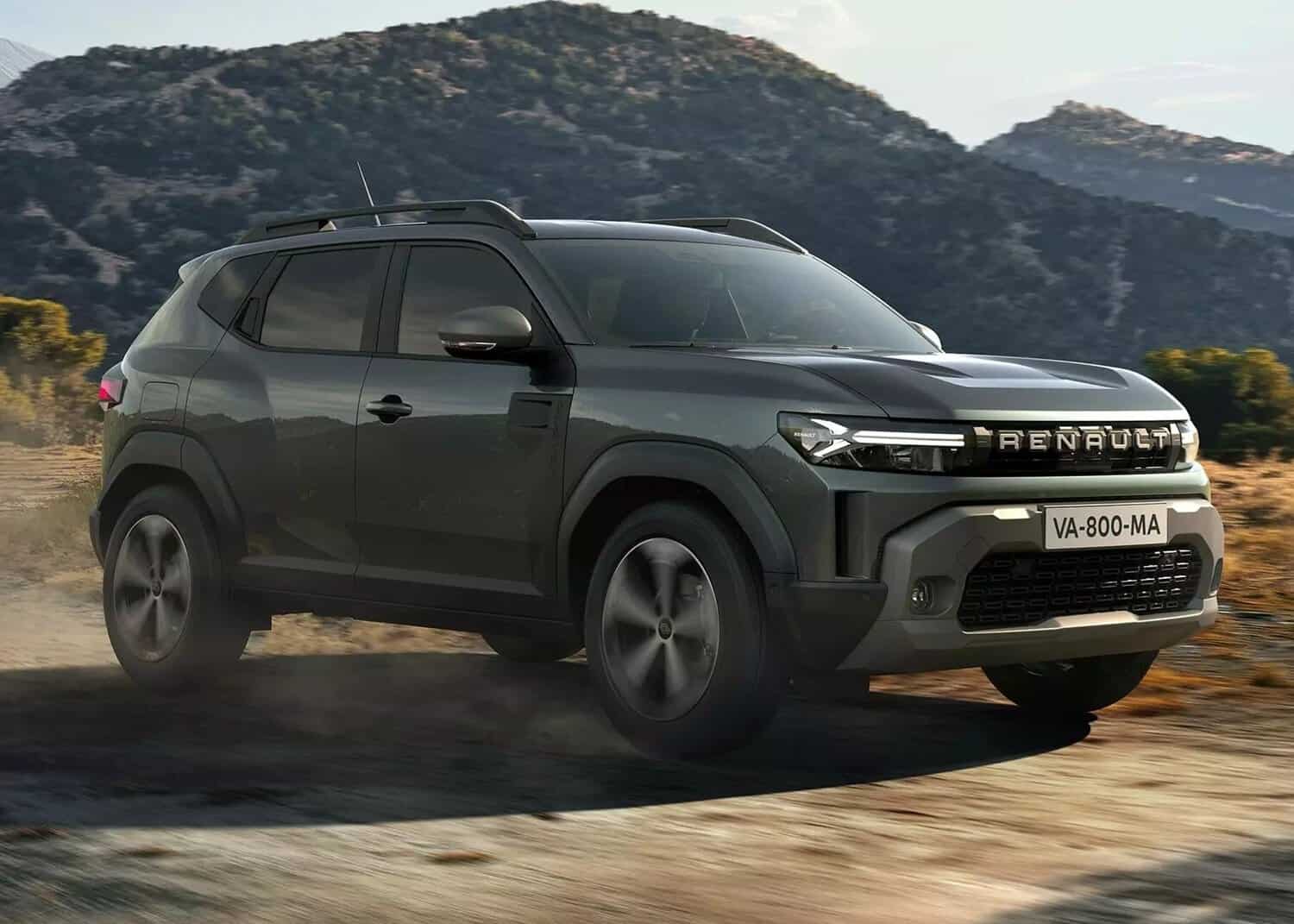
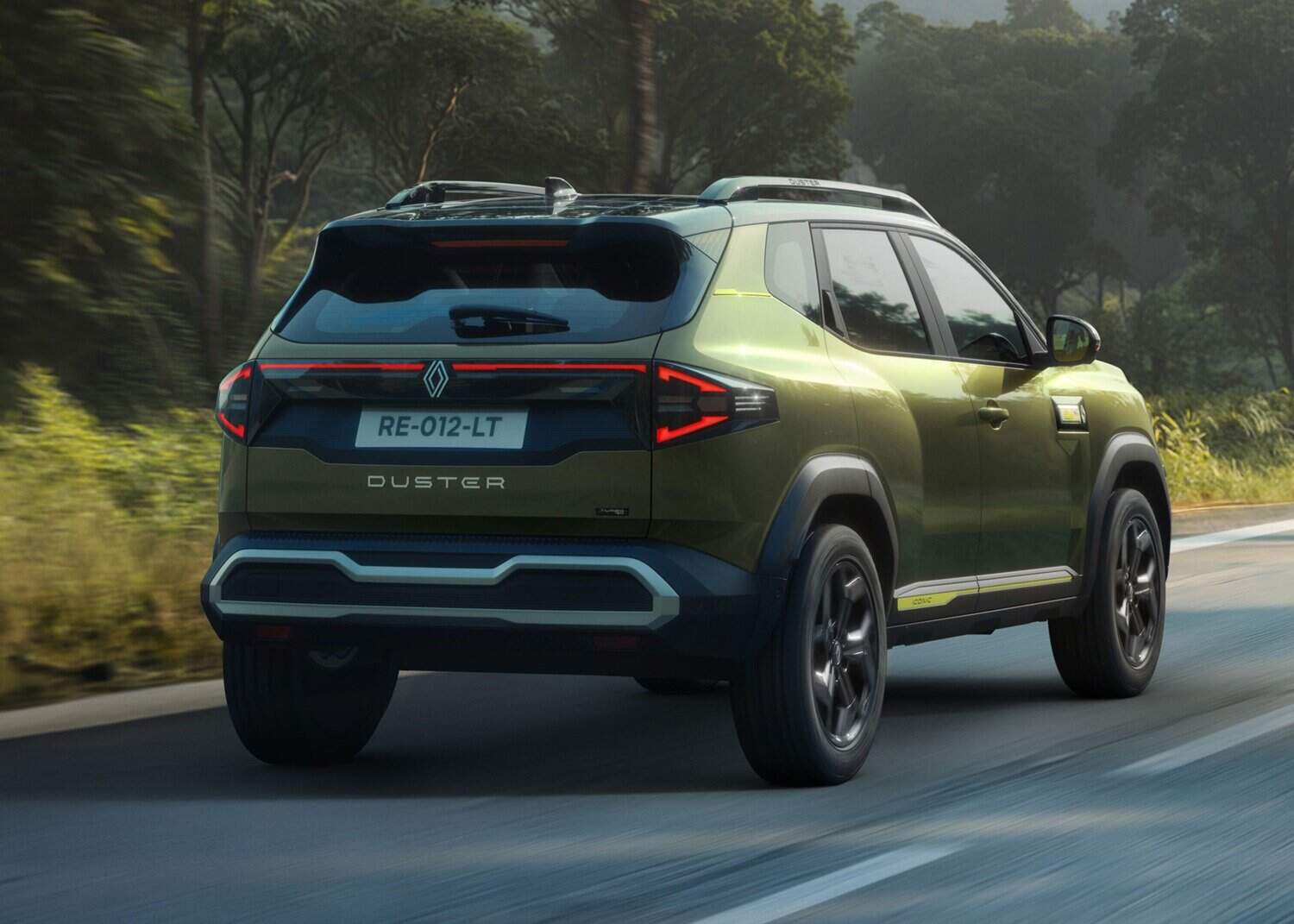
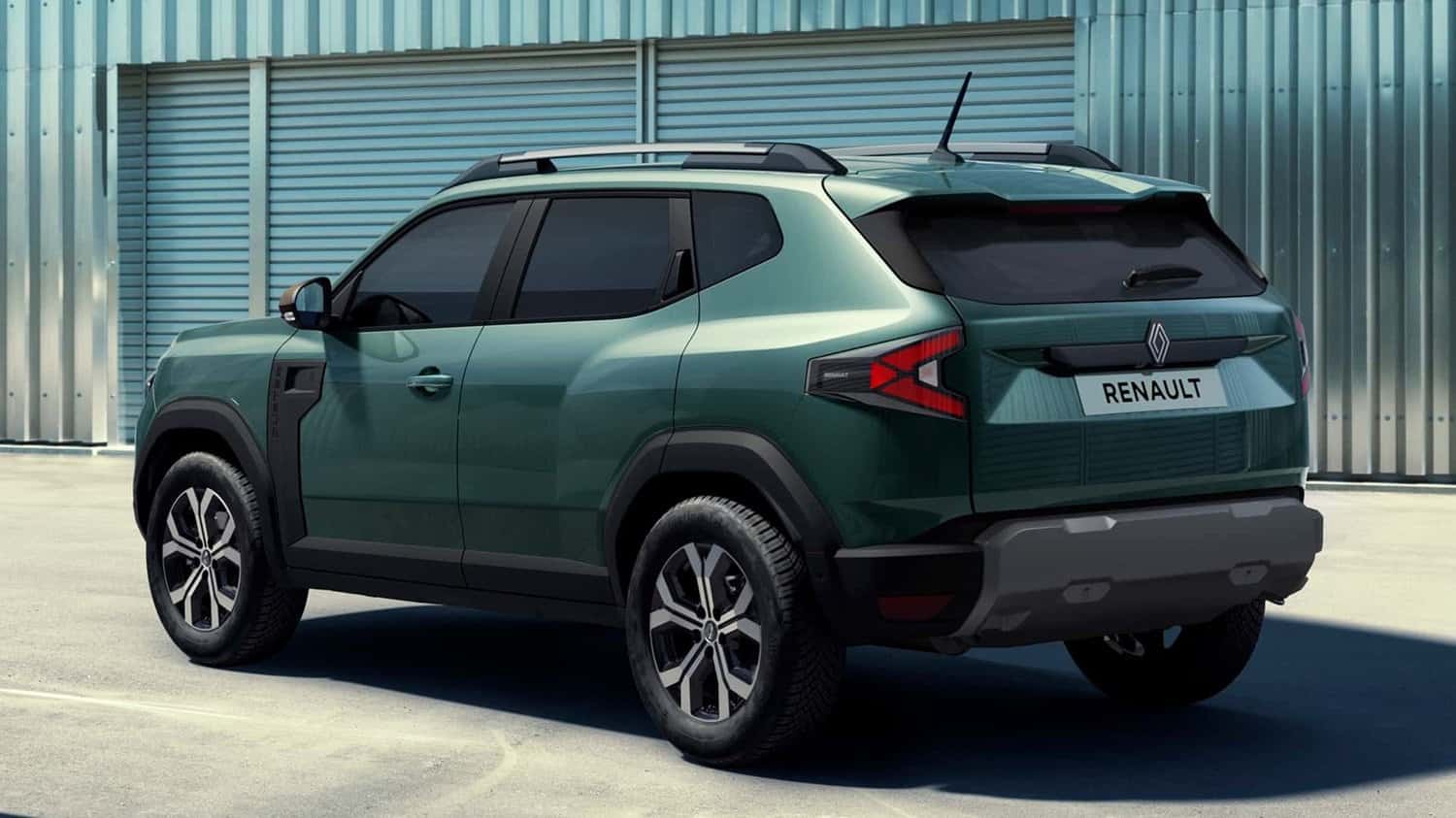
Currently made at the main Dacia plant in Romania, Renault will soon change tactic and start sourcing the Duster from the Chennai plant in India.
In what has always been a stop-gap, the newly launched Indian-made Renault Duster will come to South Africa later this year as a replacement for the current Romanian produced example.
Plan from the start
Announced as the preview unveiling of the new Duster at the end of 2024, the rhombus brand stated that initial sourcing will come from Dacia’s Mioveni plant until the Indian facility in Chennai is readied.
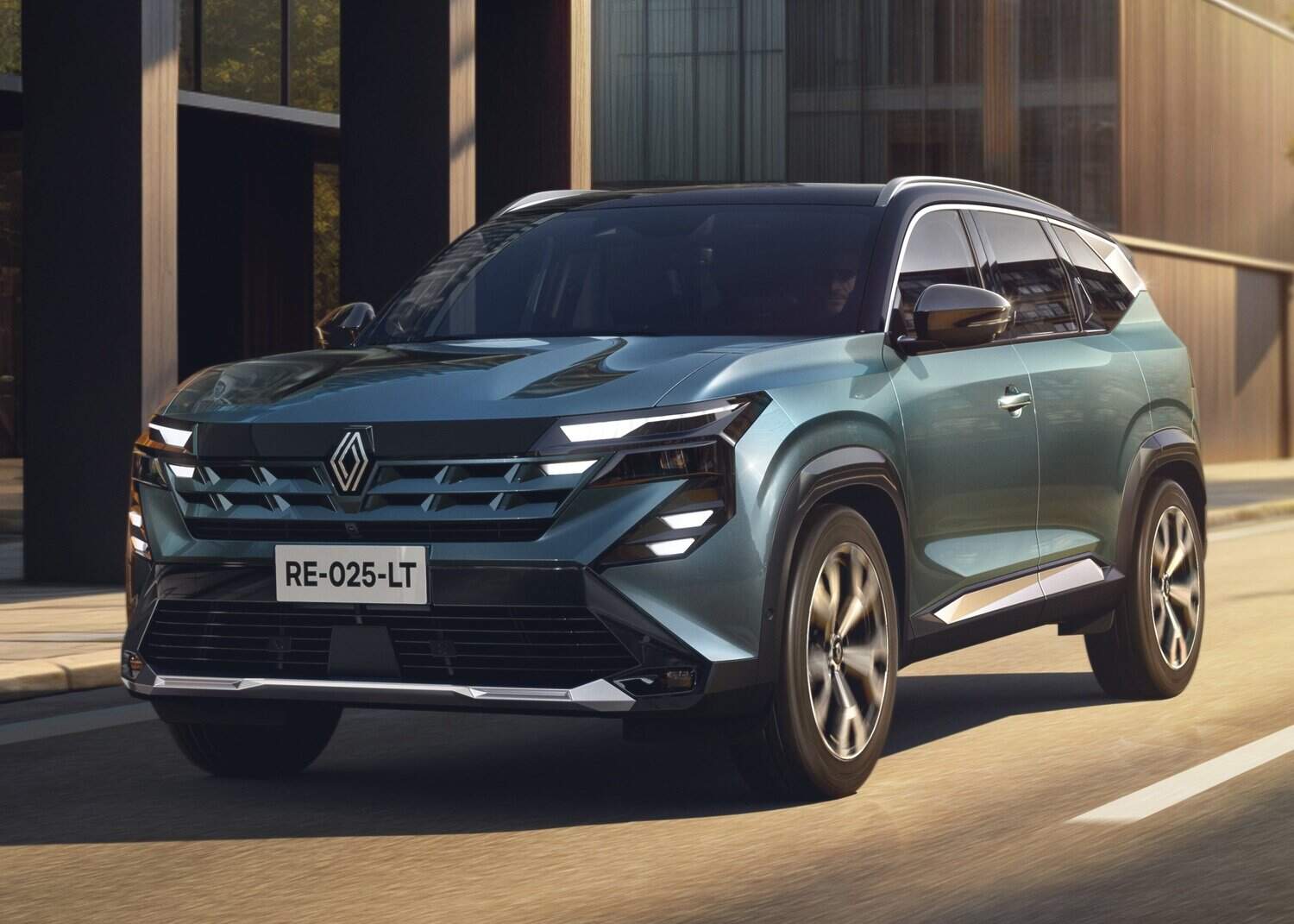
Officially revealed in January, the Chennai plant will later also start producing the Renault Boreal, which could come to South Africa should approval be given.
Locally, the plant is the sourcing hub for the Kwid, Triber and Kiger, as well as the Nissan Magnite.
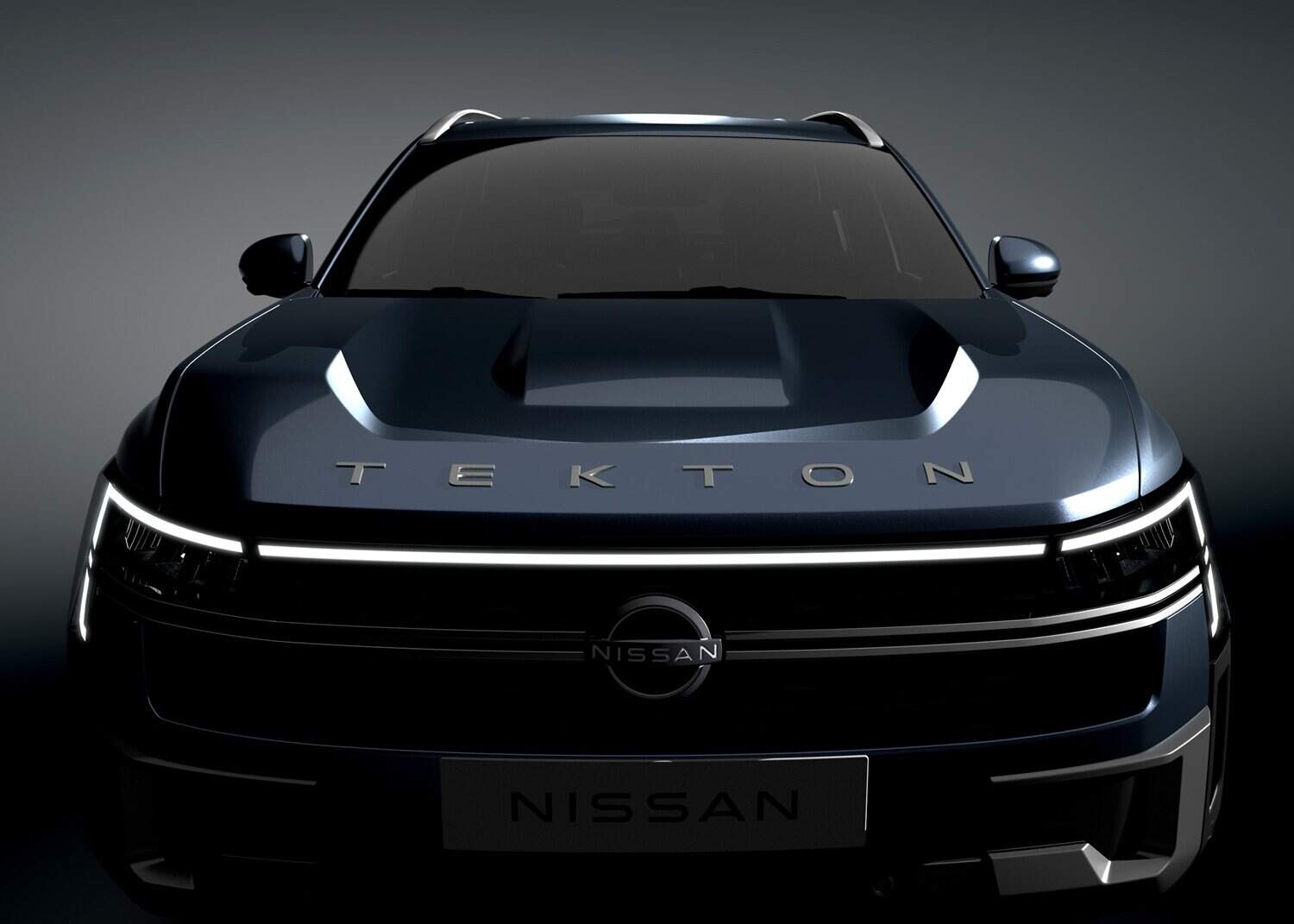
As is equally well-known, the Indian Duster will spawn the badge-engineered Nissan Tekton as well as a Nissan-badged version of the Boreal either by year-end or in 2027.
Both have been approved for South Africa, with the Tekton set to arrive soon after its still unconfirmed world premiere in India.
Exterior differences
Compared to the Romanian Duster, the Indian Duster’s receives differently styled front and rear bumpers, a new grille with a block letter Duster instead of Renault badging, wider inlets on the flanks of the front bumper and an integrated imitation skidplate and nudge bar.
Also gone are the Dacia Y-shaped LED taillight graphics, while the shoulder line underneath the D-pillar has also been changed.
In addition to the bumper, Renault has opted for full-width LED light bar between the V-shaped light clusters, a new imitation skidplate integrated into the bumper, and a blackened numberplate cavity.
Despite sharing the same platform as its Romanian sibling, the Indian Duster has an overall width of 1 813 mm versus 1 921 mm, and a height of 1 669 mm instead of 1 661 mm.
What’s more, its suspension has been revised and as such, ground clearance raised from 209 mm to 212 mm.
While its overall length stays at 4 343 mm and wheelbase at 2 657 mm, it offers more packing space, with a claimed boot capacity of between 518 and 1 789-litres.
For reference, space in the Romanian Duster is 472 and 1 609-litres.
Interior changes
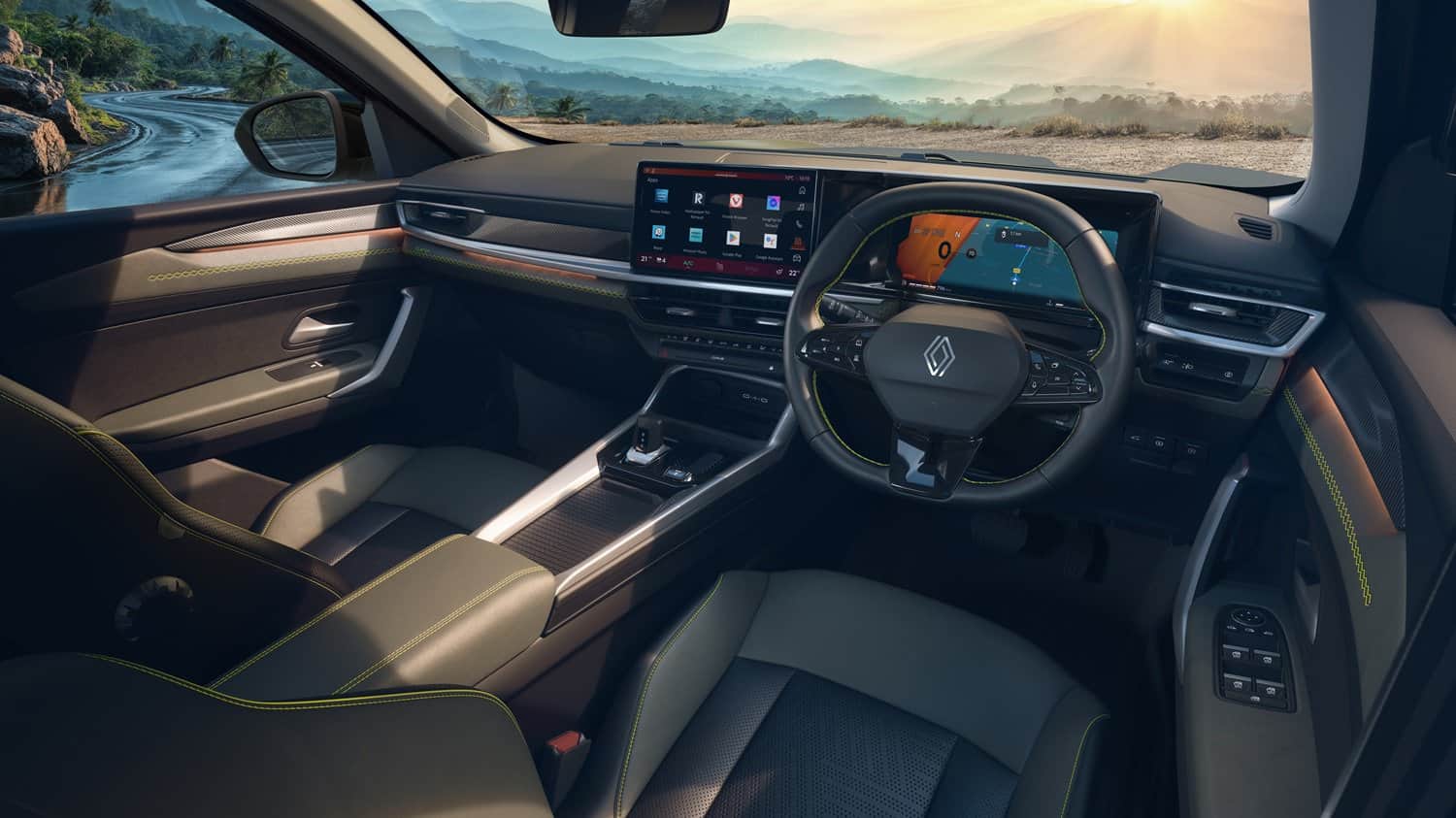
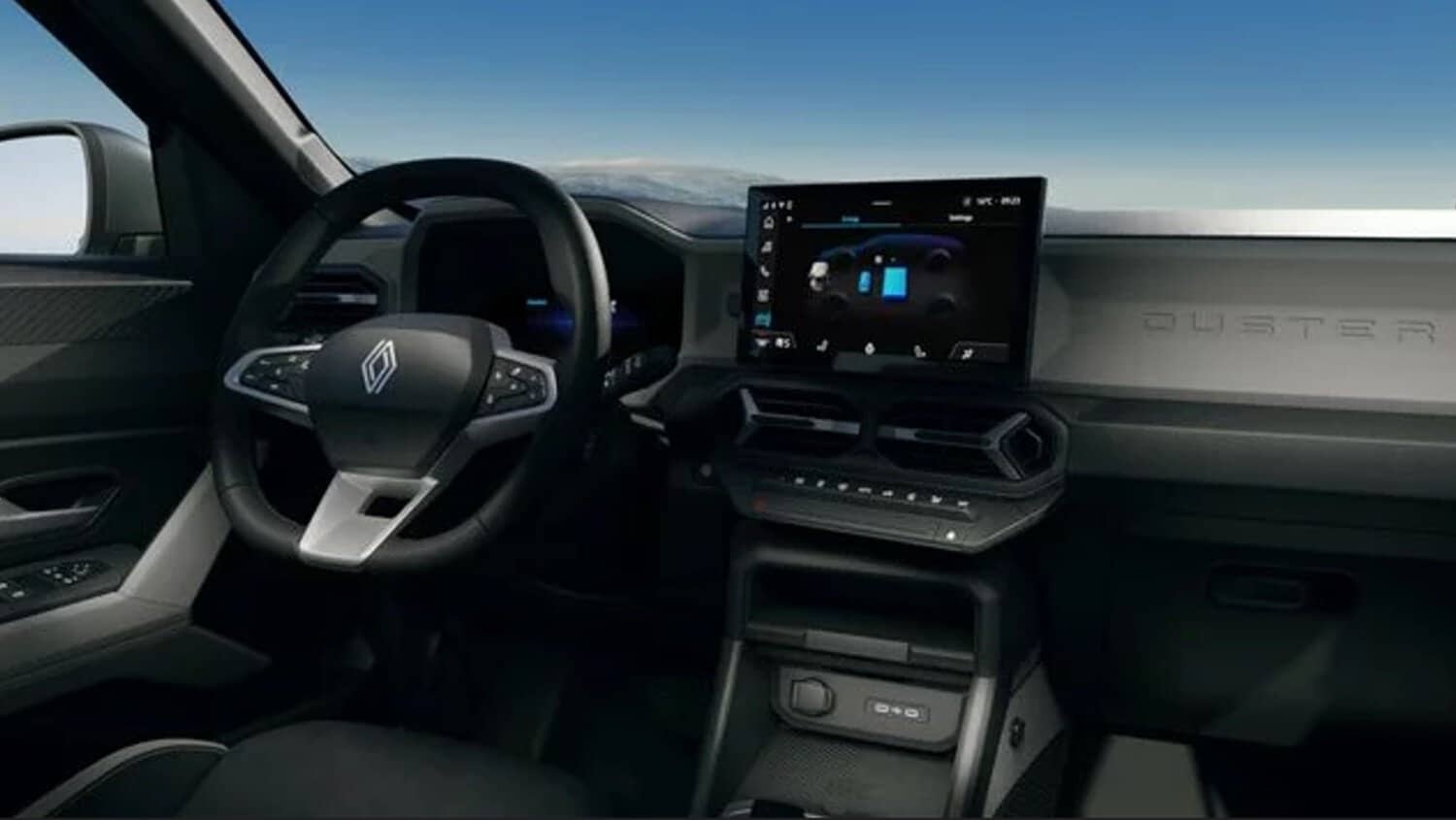
Inside, where extensive criticism has been lobbed at the Romanian Duster since its market launch last year, Renault has upgraded materials and also changed the dashboard.
This means the Y-shaped air vents are replaced by conventional rectangular items and the instrument cluster offered in either seven-inches or 10.25-inches.
The hangdown section underneath the carried over 10.1-inch infotainment display also changes, as does the centre console.
Powertrain differences
Residing up front are the biggest changes. As in Europe, the base engine is the 1.0 TCe 100 three-cylinder turbo-petrol that produces 100 pferdestarke (PS) or 74kW/160Nm.
The second option is the the 1.3 TCe 160 co-developed Daimler that makes 160 PS or 118kW/280Nm.
Both units are mated to a six-speed manual, with a seven-speed EDC dual-clutch optional on the TCe 160 only.
Debuting later, the new hybrid option combines a normally aspirated 1.8-litre petrol with a 1.4-kWh battery pack powering two electric motors.
The result is a combined 118 kW delivered to the front wheels through the multi-mode transmission, which combines a four-speed automatic with the ratios of the electric motors for a six-speed ‘box.
Compared to the Romanian Duster, the Indian variant omits the mild-hybrid 1.2 TCe 130, which develops 96kW/230Nm
At the same time, four-wheel drive is no longer offered, however, it could still be offered based on its availability in Europe.
For South Africa
Priced from Rs 1 029 000 to Rs 1 809 000, which amounts to between R180 980 and R318 166 when directly converted and without taxes, Renault South Africa is yet to confirm an official launch date for the Chennai-made Duster.
The change in factory is anticipated to come with lower price tag, which at present, ranges from R489 999 to R549 999.
Expect more details of the South African-spec model to be made later this year.