








Iran Threatens U.S. Bases After Israel Airstrikes Kill 81: Middle East on Brink of Full-Scale War
The Middle East is on high alert following a brutal overnight exchange of missiles and airstrikes between Israel and Iran that has already claimed at least 81 lives and injured hundreds more. Now, Iran is threatening to strike U.S. military bases across the region in retaliation, deepening fears of a wider war.
Deadly Operation “Rising Lion” Sparks Chaos
The crisis erupted after Israel launched a massive surprise attack on Friday, June 14, codenamed “Operation Rising Lion”, targeting key Iranian nuclear and military installations. Iran confirmed that at least 78 Iranians, many of them civilians, were killed and over 300 wounded, including two top military commanders.
In a fiery speech at the UN Security Council, Iran’s ambassador Ali Bahreini said the Israeli airstrikes hit the “heart of Iran’s defense system,” describing them as an act of war.
Iran Responds with 100 Missiles, Hits Tel Aviv and Jerusalem
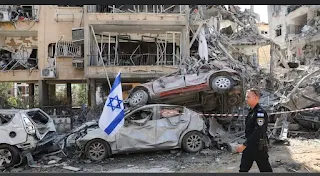
In retaliation, Iran launched more than 100 missiles and drones into Israeli cities, including Tel Aviv and Jerusalem, killing three civilians and injuring dozens. Buildings were reduced to rubble, cars were burned, and terrified residents ran for cover as sirens wailed across the cities.
Israel’s Iron Dome defense system intercepted many projectiles, but several got through. Emergency responders described the aftermath as “a warzone”, with survivors trapped under debris.
Iran Warns U.S.: You Will Not Be Spared
A top Iranian military source, speaking to Fars News Agency, declared that the fight is “far from over”, adding that U.S. military bases in Iraq and the Gulf are now potential targets. Iran accused America of helping intercept its missiles, even though U.S. officials insist they were not involved in the Israeli strike, but only assisted in defensive operations.
This warning has raised alarm in Washington and among U.S. allies, especially with American forces stationed across the region.
Airspace Closed, Panic Grows
The fighting forced Iran, Israel, Lebanon, and Jordan to shut down their airspace, grounding flights and stranding travelers. Jordan reopened its skies by Saturday morning, but airports like Amman International were packed with people desperately trying to leave.
In Israel, all public events—including the Tel Aviv Pride Parade—were canceled, schools were closed, and border checkpoints into the West Bank were sealed off, cutting off thousands of Palestinians.
Global Reactions: UN, Arab States Call for Calm
UN Secretary-General Antonio Guterres called on both sides to exercise “maximum restraint” to prevent the conflict from spiraling further. Neighboring nations like Saudi Arabia, Jordan, and Qatar have issued urgent appeals for de-escalation.
Tensions are also rising as Iran-backed militias, including Hezbollah in Lebanon and the Houthis in Yemen, have vowed to join the conflict in support of Tehran, increasing the risk of a multi-front war.
Israel Defends Action, Iran Promises “Painful” Response
Israeli Prime Minister Benjamin Netanyahu defended the operation, saying it was aimed at preventing Iran from acquiring nuclear weapons, calling the mission a “defensive necessity.”
Iran, meanwhile, has denied it is building a nuclear bomb and insists that its nuclear program is for peaceful purposes. But the government warned that “Israel will pay a painful price” for the attacks.
Trump Urges Talks, Warns Iran
Former U.S. President Donald Trump, who is leading U.S. diplomatic efforts, said he is working to salvage nuclear negotiations but warned Iran not to cross the line. Talks between Tehran and Washington remain stalled, and trust is rapidly evaporating.
A Region on the Brink
As airstrikes continue and threats intensify, families across the region—from Tehran to Tel Aviv—live in fear of what comes next. With both sides refusing to back down and new threats emerging by the hour, the question remains:
Can diplomacy still stop this from becoming World War III in the Middle East?