






U.S. Bunker Buster Bombs Devastate Iran’s Hidden Nuclear Fortress at Fordow

In a major escalation of ongoing tensions, Iran has confirmed that its heavily fortified Fordow uranium enrichment facility was directly hit by U.S. airstrikes, marking one of the most aggressive actions yet in the standoff over Tehran’s nuclear ambitions.
The facility, built deep beneath a mountain in Qom Province—around 90 meters underground—was once considered almost impenetrable. But reports now reveal that advanced bunker-buster bombs were deployed by U.S. forces, effectively neutralizing the site.
Iranian crisis management spokesman Morteza Heydari told state media that Fordow was struck following the activation of air defense systems, describing the attack as part of a broader “enemy airstrike” that also targeted facilities in Natanz and Esfahan.
Unfiltered footage and deeper analysis of this strike are available on this secure report here. Access while it’s still active — insights like these don’t stay public for long.
The Fordow site has long been under scrutiny by the International Atomic Energy Agency (IAEA), and while it previously endured an Israeli strike without major damage, this latest U.S. offensive has reportedly crippled its core operations.
Trump Breaks the News
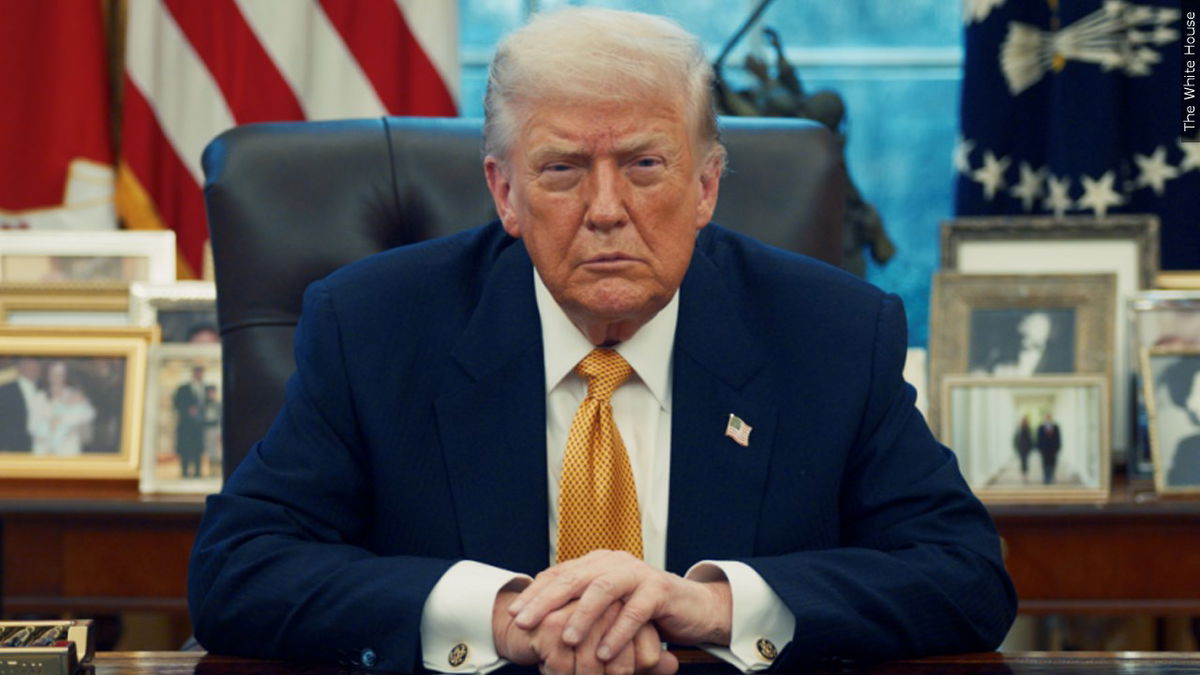
Former U.S. President Donald Trump confirmed the strike via social media, hailing the mission as “very successful.” He disclosed that stealth B-2 bombers dropped full payloads of bunker-busting ordnance—including the GBU-57 Massive Ordnance Penetrator (MOP)—onto Fordow and other strategic nuclear sites.
“All aircraft returned safely,” Trump added, confirming that the mission was conducted with precision and minimal exposure to Iranian air defense retaliation.
Iran’s state-run media insisted that no radioactive materials were present at the affected sites during the attacks, reducing fears of an immediate environmental hazard.
The Bigger Picture
While no nuclear fallout has been reported, the attack has sharply escalated tensions across the Middle East and reignited concerns about open warfare between Iran and the West. It also signals a renewed commitment by U.S. forces to halt Iran’s nuclear advancement by force if diplomacy fails.
This comes after weeks of stalled negotiations and increasing military posturing from both sides—raising alarm bells globally over the potential for a broader conflict.

In a major escalation of ongoing tensions, Iran has confirmed that its heavily fortified Fordow uranium enrichment facility was directly hit by U.S. airstrikes, marking one of the most aggressive actions yet in the standoff over Tehran’s nuclear ambitions.
The facility, built deep beneath a mountain in Qom Province—around 90 meters underground—was once considered almost impenetrable. But reports now reveal that advanced bunker-buster bombs were deployed by U.S. forces, effectively neutralizing the site.
Iranian crisis management spokesman Morteza Heydari told state media that Fordow was struck following the activation of air defense systems, describing the attack as part of a broader “enemy airstrike” that also targeted facilities in Natanz and Esfahan.
Unfiltered footage and deeper analysis of this strike are available on this secure report here. Access while it’s still active — insights like these don’t stay public for long.
The Fordow site has long been under scrutiny by the International Atomic Energy Agency (IAEA), and while it previously endured an Israeli strike without major damage, this latest U.S. offensive has reportedly crippled its core operations.
Trump Breaks the News
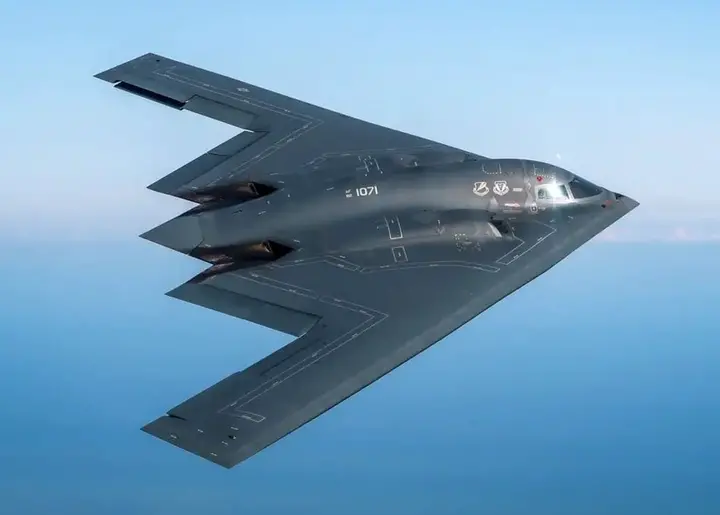
Former U.S. President Donald Trump confirmed the strike via social media, hailing the mission as “very successful.” He disclosed that stealth B-2 bombers dropped full payloads of bunker-busting ordnance—including the GBU-57 Massive Ordnance Penetrator (MOP)—onto Fordow and other strategic nuclear sites.
“All aircraft returned safely,” Trump added, confirming that the mission was conducted with precision and minimal exposure to Iranian air defense retaliation.
Iran’s state-run media insisted that no radioactive materials were present at the affected sites during the attacks, reducing fears of an immediate environmental hazard.
The Bigger Picture
While no nuclear fallout has been reported, the attack has sharply escalated tensions across the Middle East and reignited concerns about open warfare between Iran and the West. It also signals a renewed commitment by U.S. forces to halt Iran’s nuclear advancement by force if diplomacy fails.
This comes after weeks of stalled negotiations and increasing military posturing from both sides—raising alarm bells globally over the potential for a broader conflict.