





UN rights work faces existential threat amid funding crisis
Investigations into global rights abuses could collapse as the UN faces mounting debt, delayed payments and political interference.
United Nations rights work is being disproportionately targeted for cuts amid a deep UN funding crisis, posing an “existential threat” to vital investigations and accountability efforts, a report warned Tuesday.
Washington’s failure to pay UN membership fees, coupled with Chinese and Russian efforts to defund rights bodies, could deal a death-blow to the UN battle against rights abuses, the NGO report said.
“At a moment of sweeping UN reform and financial crisis, these efforts… pose an existential threat to the UN’s human rights system,” the International Service for Human Rights (ISHR) cautioned.
Already, a high-level war crimes investigation ordered by the UN Human Rights Council into violence sweeping the Democratic Republic of Congo has failed to launch due to lacking funds.
And other investigations warn cuts could leave them severely crippled.
Liquidity crisis
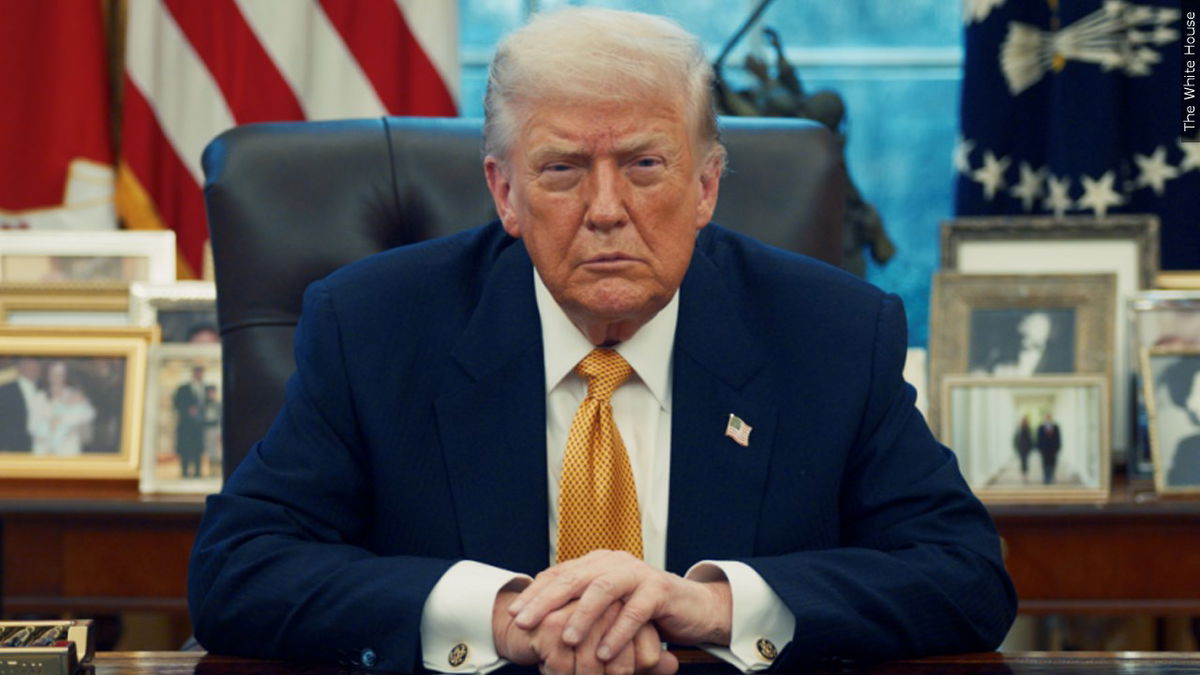
The UN is mulling reforms including a 15-percent cut across its 2026 budget to tackle chronic liquidity problems exacerbated by US President Donald Trump’s policies.
The United States, the UN’s biggest contributor, paused funding after Trump returned to power in January.
As of September 30, Washington owed $1.5 billion in unpaid UN membership fees, including $300 million in arrears from previous years, according to the ISHR report.
China, the second-highest contributor, has fuelled the crisis by paying its dues “extremely late”, the report said.
ALSO READ: UN alarmed as thousands flee violence in Mozambique
Beijing only completed last year’s payment on December 27, essentially rendering the funds unusable since UN financial rules require budget amounts not spent by year-end to be returned to member states, ISHR said.
UN chief Antonio Guterres’ UN80 reform proposal aims to spread cuts across the body’s three pillars: peace and security; human rights; and sustainable development.
But ISHR warned the cuts would “disproportionately hit the human rights pillar due to years of underfunding”.
The human rights segment receives less than one percent of the total UN budget.
‘Huge gap’
Cuts being discussed could take a heavy toll on the UN rights office OHCHR, which has already seen tens of millions of dollars in US voluntary funds evaporate this year.
The agency has received just 73 percent of member states’ promised regular budget contributions for 2025, leaving $67 million unpaid.
“It’s a huge gap,” spokeswoman Liz Throssell told AFP.
Concretely, she said, “this is about victims who are less protected, people who can’t get accountability”.
“We have now reached the critical threshold of efficiency of the system. If it goes down further, it becomes very, very, very concerning.”
ALSO READ: Johannesburg to receive at least R500 million from EU for green waste management
Kaoru Okuizumi, deputy head of the Independent Investigative Mechanism for Myanmar, warned that proposed cuts could see the probe lose 27 positions — a third of its staff.
“It’s huge,” she told AFP, warning that specialised teams, including one investigating sexual and gender-based crimes, “may be cut entirely”.
‘Weaponised’
Targeted efforts to defund rights investigations during UN budget negotiations could deepen the crisis, ISHR warned.
Russia and China especially “have weaponised UN budget negotiations to serve their own interests and shield allies from scrutiny”, said Madeleine Sinclair, head of ISHR’s New York office.
During UN negotiations, the two countries repeatedly introduced proposals to slash rights funding, with backing from other “authoritarian states”, the report said.
In the name of efficiency, they seek to cut funds for OHCHR and for investigations into abuses in countries like Russia, Belarus and North Korea.
The proposals “are clearly about crippling the OHCHR,” report author Angeli Datt told journalists.
“They are not about efficiency.”
Many countries fold to the pressure, with some even agreeing to block funding for investigations they themselves supported establishing, she said.
NOW READ: Why the state relies on non-profits like SANBS and how much it has paid for blood in five years