







Water crisis stabilises after Zuikerbosch explosion
Joburg Water is rolling out water tankers and stationary tanks.
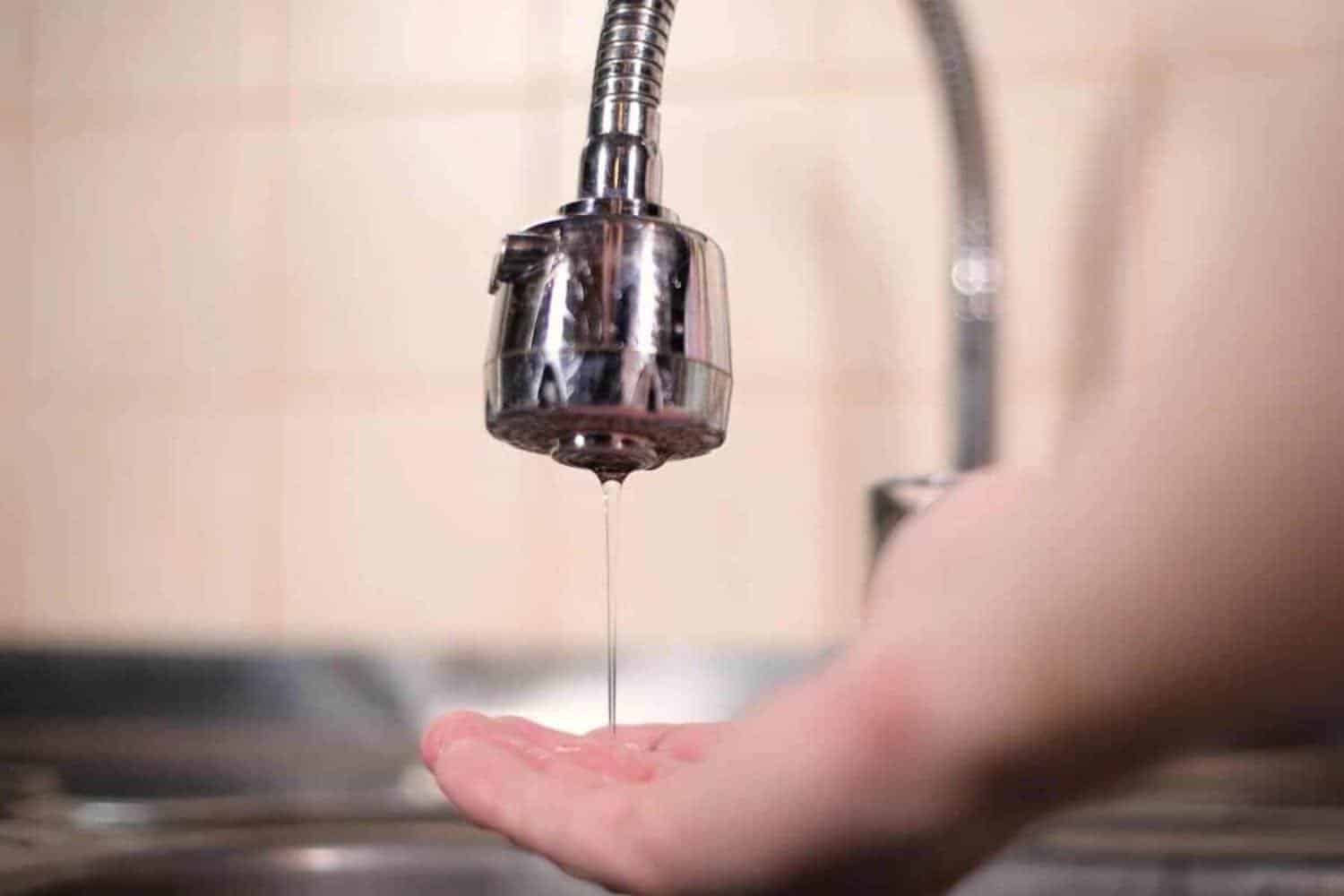
A major electrical failure at Rand Water’s Zuikerbosch Water Treatment Plant has triggered a water crisis affecting many residents across Johannesburg, Tshwane, and surrounding areas in Gauteng.
While the bulk water supply has now stabilised following emergency repairs, several key reservoirs remain critically low, with full recovery not expected until the weekend.
Johannesburg Water confirmed on Thursday morning that Rand Water has restored bulk pumping operations, with the Eikenhof Pump Station and Zwartkopjes Pump Station both operating at 100% full load.
Meanwhile, the Palmiet Pump Station is running at approximately 95% capacity.
“This represents a positive development and signals the commencement of the bulk system recovery phase for RW systems, after which, allowing recovery progression towards Johannesburg Water systems that have been affected,” the utility said.
However, the utility warned that despite this improvement, reservoir recovery and network balancing would be gradual.
“Customers may therefore continue to experience: Low water pressure, intermittent water supply and gradual water supply restoration, particularly in high-lying areas,” Joburg Water stated.
Motor explosion triggers widespread outages
The crisis began on 26 January 2026 when an emergency pump repair was required at the Palmiet Pump Station, but escalated dramatically the following day when a motor explosion and power failure occurred in Engine Room 4 at the Zuikerbosch Plant, disrupting pumping across multiple systems.
Joburg Water confirmed that the electrical failure led to severe supply constraints affecting its distribution network.
“This has led to poor to no water supply to a number of Johannesburg Water reservoirs, particularly affecting areas within Midrand, Sandton and parts of Johannesburg Central,” the utility said.
Reservoirs remain dangerously low
Despite the stabilisation of bulk pumping, several Johannesburg Water reservoirs remain low or critically low.
According to Thursday morning’s update, the Sandton systems serving Bryanston, Illovo, and other direct-feed areas within Sandton continue to experience supply constraints.
The most severely affected areas include Sandton suburbs such as:
Additionally, Midrand communities, including:
- Grand Central,
- President Park,
- Rabie Ridge,
- Diepsloot and
- Steyn City have also been affected.
Moreover, the affected areas in Johannesburg Central include:
- Yeoville,
- Berea,
- South Hills Pump Station,
- Alexander Park,
- Hurst Hill, and
- Linksfield.
“While these areas are currently experiencing low pressure to no water supply, other areas may also experience intermittent impacts as the system continues to stabilise,” Joburg Water said.
The utility added that all systems are being closely monitored.
ALSO READ: Cape Town warns residents as dam levels plummet
Tshwane residents face similar challenges
The City of Tshwane confirmed on Thursday morning that Rand Water had resumed pumping on the Palmiet system early in the morning and was operating at maximum capacity.
However, the system was still recovering.
“While this is a positive development, the system is still in the process of rebuilding pressure before full supply can be restored,” the municipality stated.
The city reported that several reservoirs remain empty, including:
- Laudium,
- Atteridgeville High Level,
- Soshanguve Towers,
- Lotus Gardens,
- Pretoriusrand and
- The Reeds.
However, officials noted progress in certain areas.
“Overnight interventions at the Soshanguve L Reservoir have yielded encouraging results, with a slight recovery recorded,” Tshwane said in its update.
The municipality explained that pumping to the Soshanguve Towers was scheduled to resume later on Thursday morning as pressure continued to improve.
“The system has now stabilised sufficiently to allow preparations for pumping to the tower zone,” the city confirmed.
On Wednesday, Tshwane had warned that the Palmiet system supplies most parts of the capital city and that the disruption was therefore having a widespread impact.
“The current situation remains unchanged, as Rand Water continues with repair work at the plant. At this stage, there is still no confirmed estimated time of completion,” the city had stated.
ALSO READ: Rand Water on Palmiet system challenges in Tshwane: Here are the affected areas
Recovery timeline extends to weekend
Daniel Schay, Shadow Member of Mayoral Committee for Development Planning and Ward 72 Councillor, provided a sobering assessment of the situation following a briefing with Joburg Water on Wednesday evening.
He indicated that recovery could take days, noting that some areas had been without water for three days before his ward was affected.
“What they said without saying, they said that the greatest impact will probably be tomorrow morning,” Schay stated, referring to Thursday.
The councillor revealed that officials indicated the weekend as the target for recovery from the water crisis.
“Their answer for the whole city, not just for our particular reservoir, they said at the weekend, meaning Sunday is when they expect to have a decent recovery,” he said.
Schay warned residents to brace for an extended outage and reliance on emergency water supplies.
“I don’t think you’re going to see water tomorrow. We can probably start discussing seeing water on Friday if everything goes well for us. But again, they’ve given themselves till Sunday non-committal for the whole city,” he stated.
The councillor also noted that while tankers were being deployed, with one already positioned in Orange Grove, the response remained limited.
“We’re going to be relying on tankers for at least 24 hours,” he said.
Emergency response and contingency measures
Joburg Water reiterated that it has activated comprehensive contingency measures to mitigate the impact on customers.
These interventions include continuous monitoring of reservoir levels and system performance, controlled throttling and temporary closures to preserve capacity, deployment of alternative water supply where required, and ongoing engagement with Rand Water and affected ward councillors.
“Operational measures are also in place, such as closing reservoir outlets at critical low levels to preserve capacity, implementing night and day throttling and temporary closures to support recovery, and bleeding air from recovering systems to prevent pipe bursts,” Joburg Water confirmed.
The utility added that key support staff and management teams remain on standby to coordinate water tanking and address operational requirements.
Furthermore, the utility said it is implementing a phased rollout of water tanking interventions, including mobile water tankers and stationary tanks, to provide emergency supplies to the most affected areas.
Customers are urged to use water sparingly during this recovery period to allow the system to stabilise and recover more efficiently.
Both Johannesburg Water and the City of Tshwane have committed to providing further updates as recovery progresses and reservoir levels improve.
READ NEXT: Knysna water crisis: What will happen when they reach day zero