


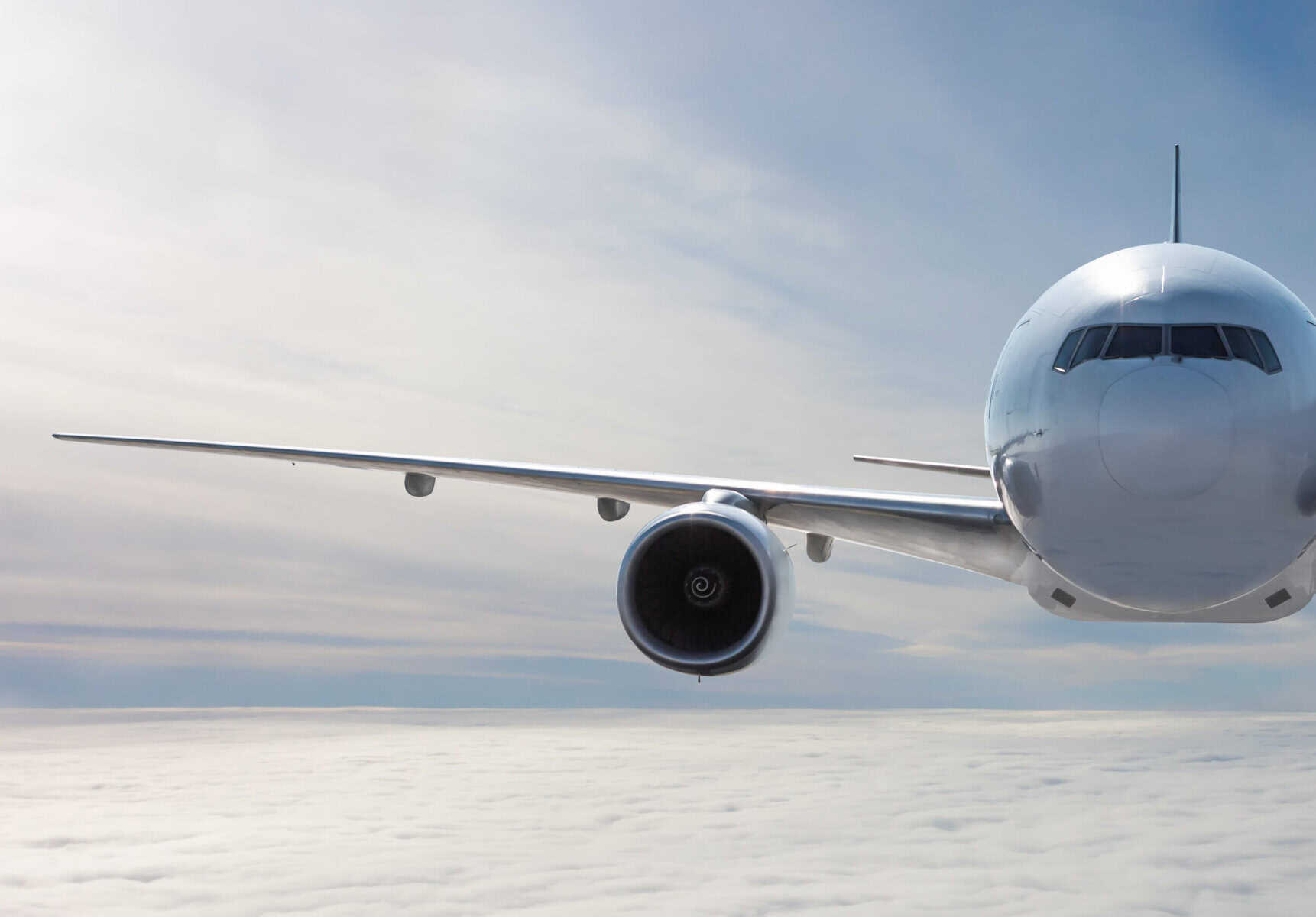
Airfare shock ahead? Jet fuel prices jump up by 70%
South African travellers may be in for a massive airfare shock as jet fuel prices at some South African airports surged by 70%.
South African travellers must brace themselves for potential massive spikes in air ticket prices. This after Jet A1 fuel prices rocketed week on week with hikes of up to 70% at two of South Africa’s three major airports.
Cape Town International Airport and King Shaka International Airport in Durban have both hiked the cost of a litre of Jet A1 fuel. Airlink chief executive de Villiers Engelbrecht confirmed the increase. “Airlink was notified of increases in the Jet A1 fuel price at coastal airports earlier today,” he said. “The fuel supply agreements are confidential, but I can confirm that the increases are in the region of 70% week-on-week.”
Jet fuel prices at OR Tambo International had not increased dramatically by Tuesday afternoon, but airlines expect it to follow suit soon.
“We are going to see a significant spike in pricing over the short term, especially for budget and leisure travellers,” said aviation analyst and industry commentator Sean Mendes.
Significant spike in airline pricing coming
South African Airways’ (SAA) Vimla Maistry said that the airline expects all fuel suppliers to adjust pricing. “Nationally, similar increases may be reflected by other service providers, but SAA remains committed to protecting customers from sudden cost burdens while maintaining competitive and responsible fares.”
ALSO READ: SA could be a big loser in Middle East conflict: Oil surges, stronger dollar hits rand
A typical budget one-way ticket between Cape Town and Johannesburg that may cost R 1500 today could see near-future flight prices land the same ticket at roughly 20-25% more, about R 1800 plus. On a return ticket that balloons to almost R700 in a single round trip. Engelbrecht said that fare increases are inevitable. “Air fares will naturally increase. We adjusted our fares a week ago in response to the initial oil price shock and again on Monday, 9 March. Other than using financial instruments like hedging, airlines generally have two responses to such shocks: either fare adjustments or network rationalisation to reduce the airline’s direct variable costs. At this point, Airlink is only considering the former, but the situation is very fluid, and we are ready to respond from a capacity perspective if required.”
It can make flying unaffordable
Aviation analyst Guy Leitch said that some airlines have hedged as much as 80% of their fuel supply for the next 6 to 12 months, so for them, the shock won’t be immediate. “But yes, considering that a well-run airline should have fuel costs of at least 30% of its total costs, a massive increase like a 60-70% or so increase will eventually filter directly down to ticket prices, and this will further make flying unaffordable.”
An airline executive told The Citizen that the current situation is a ‘balls-up’ while another called it potentially catastrophic. Last week, Ethiopian Airlines, the continent’s largest carrier, already reported losses of around $137 million per week because of the conflict. A travel and tour operator said that higher flight prices will inevitably cause market contraction, which will in turn impact the entire tourism value chain, from accommodation through to car rental and hospitality.
ALSO READ: Petrol-shedding ahead? Middle East war may lead to a fuel shortage in SA
Passengers who hold tickets already are safe, for now. Engelbrecht said that Airlink will not impose any immediate levy on passengers already holding a reservation” Airline pricing typically lags shocks of this scale because it is entirely unpredictable with significant volatility,” he said. Maistry also said passengers who have already booked tickets “will not face retrospective charges or levies, any adjustments will apply only to new bookings.”
Airlines likely to add fuel levies
Mendis said that he has seen other carriers already implement substantial fuel levies, which he expects would be the route that most airlines would follow. “I also expect to see the market stabilise once the uncertainty over supplies is clearer, and we will probably have a more stable pricing regime by May or June. If we see longer-term trends towards oil at 100 dollars or more per barrel, then there will be both airline failures as well as higher pricing,” he said.
FlySafair’ s Kirby Godon said that the airline “is aware of developments in the fuel market and are monitoring the situation.”
.
Support Local Journalism
Add The Citizen as a Preferred Source on Google and follow us on Google News to see more of our trusted reporting in Google News and Top Stories.