




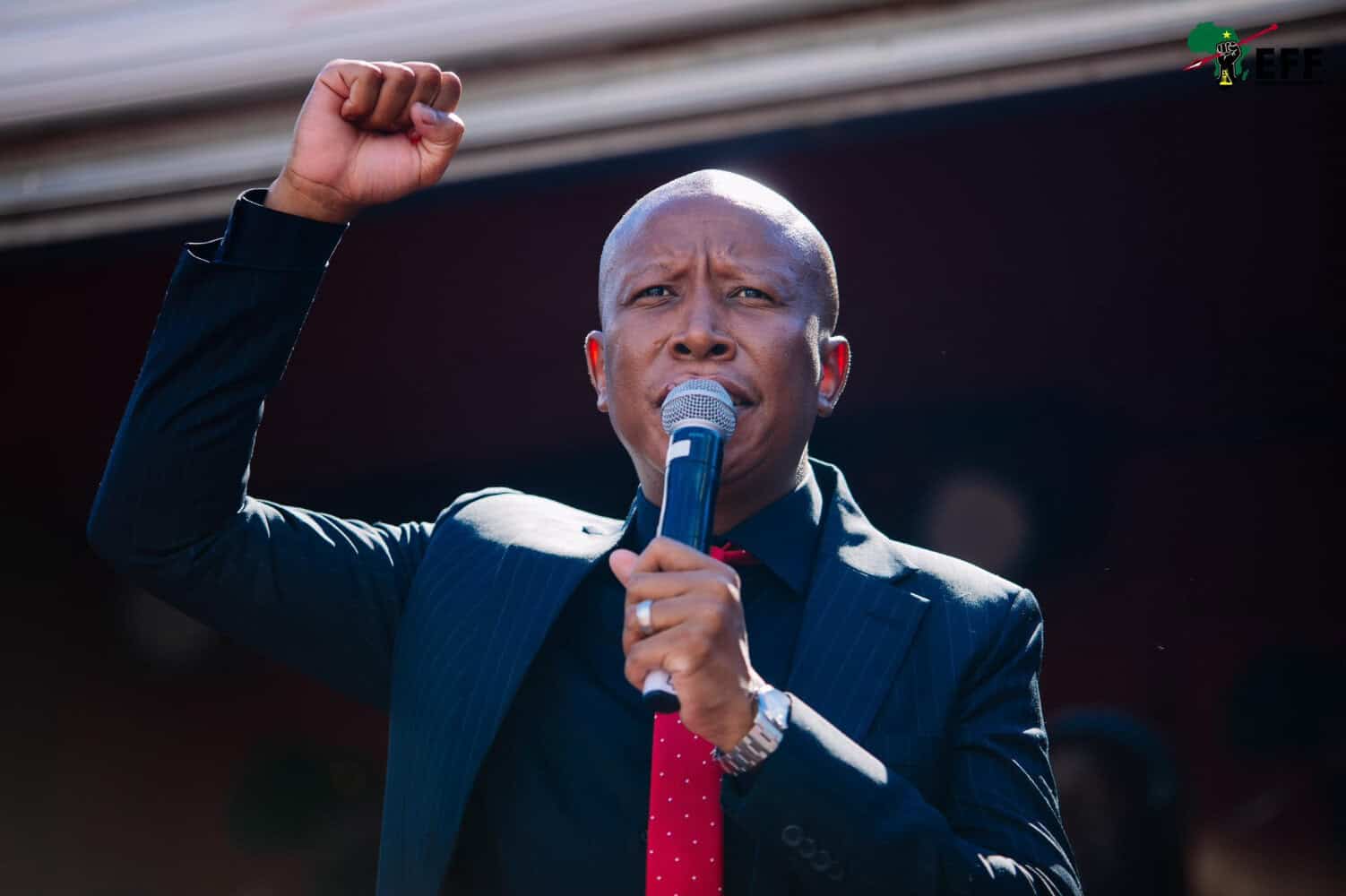
Will Malema still be able to serve in parliament after being sentenced to prison?
Juju was granted leave to appeal his five-year sentence but does it have implications for parliament?
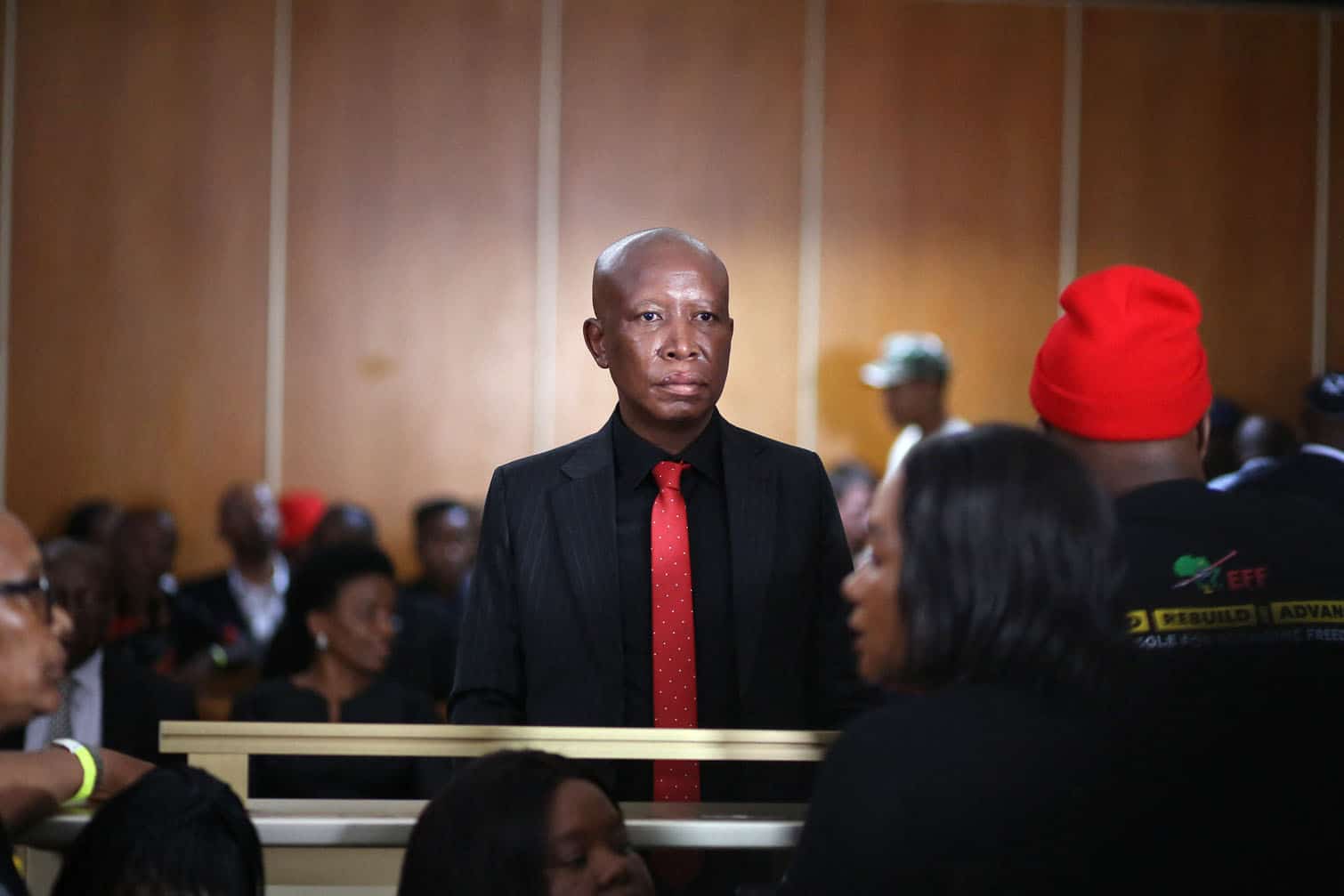
EFF leader Julius Malema has escaped immediate prison time and the public will be made to wait a while still to see if he will serve any time behind bars.
Despite being sentenced to five years direct imprisonment, his legal team was able to secure leave to appeal his sentencing, but not the conviction.
In the time between the sentencing and successful appeal, thoughts turned to Malema’s eligibility to serve in parliament.
Having been a parliamentarian for over a decade, Malema was on the verge on an abrupt end to 12-year stint punctuated by flashpoints.
The organisation that drove the initial charges welcomed the outcome, while others have questioned the system’s legitimacy.
National Assembly eligibility
Section 47 of the Constitution outlines the criteria by which members are disqualified from serving in parliament.
It says that while conviction alone is not a disqualifier, a sentence of 12 months or more without a fine would disqualify anyone from being a member of the National Assembly.
Parliament spokesperson Moloto Mothapo confirmed that the decision by magistrate Twanet Olivier to allow Malema leave to appeal has prolonged his time in parliament.
“As the matter is now subject to the appeal process, no immediate constitutional implications arise for the membership status of Mr Malema,” Mothapo told The Citizen.
AfriForum’s Jacques Broodryk was present for the marathon sentencing and subsequent appeal, accepting the eventual outcome.
“It shows us that no one is above the law and that politicians and those with political connections need to realise they are no more important than any other ordinary member of the South African public,” Broodryk told The Citizen.
‘Broader ideological struggle’
Soil of Africa Movement president Bongani Ramontla framed the sentencing as being reflective of “deeper unresolved tensions in our democracy”.
He said the case went beyond the public discharging of a firearm, but was indicative of a system suppressing the outspoken.
“This moment demands honesty, not silence. It demands courage, not fear. We respect the rule of law as a pillar of democracy. But respect for the law does not mean blind acceptance of its application.
“When black leaders who speak boldly about economic freedom and transformation are repeatedly subjected to intense legal scrutiny, the nation is entitled to ask difficult questions,” Ramontja told The Citizen.
Noting the organisation that will be credited with securing Malema’s conviction and sentence, Ramontja called for introspection.
“The ongoing tensions between Julius Malema and AfriForum reflect a broader ideological struggle about the direction of South Africa.
“We will not stand by while any formation contributes to division, racial tension, or selective outrage under the guise of advocacy.”
‘Selective enforcement’
National leader of Forum for South Africa Tebogo Mashilompane called the sentencing “selective justice” from an inconsistent and politicised system.
“South Africans are being murdered every single day. Criminals are roaming free. Cases collapse. Dockets disappear. Families bury their loved ones while the justice system does nothing.
“Yet suddenly, when it suits certain agendas, the system acts fast, decisively and without hesitation. This is not justice. This is selective enforcement,” Mashilompane said.
He added that double standards should be rejected and the justice system should pursue otherwise anonymous criminals with the same vigour.
“The continued weaponisation of the justice system will destroy what little public trust remains.
“A justice system that acts only when it is politically convenient is not a justice system – it is a tool of power,” Mashilompane said.
Olivier’s forensic public unpacking’ impressive
Institute for Race Relations’ strategic policy head Hermann Pretorius said the sentencing was fair considering the maximum 15 year sentence possible as per the Criminal Law Amendment Act.
He added that despite the appeal, the sentence may stick due to the thorough work done by Olivier.
“I was very impressed by the magistrate’s forensic public unpacking of her legal reasoning. This is unusual for magistrate cases.
“She grounded both her finding of guilty and her sentencing on solid legal ground that are unlikely to be overturned to an extent for Malema to completely escape punishment,” Pretorius told The Citizen.
He concurred that the high-profile nature of the sentence could worsen the “perception of a two-tier justice system”, but not in the way perceived by Ramontja or Mashilompane.
“Mr Malema has already been treated kindly by not receiving the full 15 year sentence.
“If any further diminishment of punitive consequences takes place, it wouldn’t be encouraging to the ordinary South African’s perception of justice,” Pretorius said.